By Ness Zolan
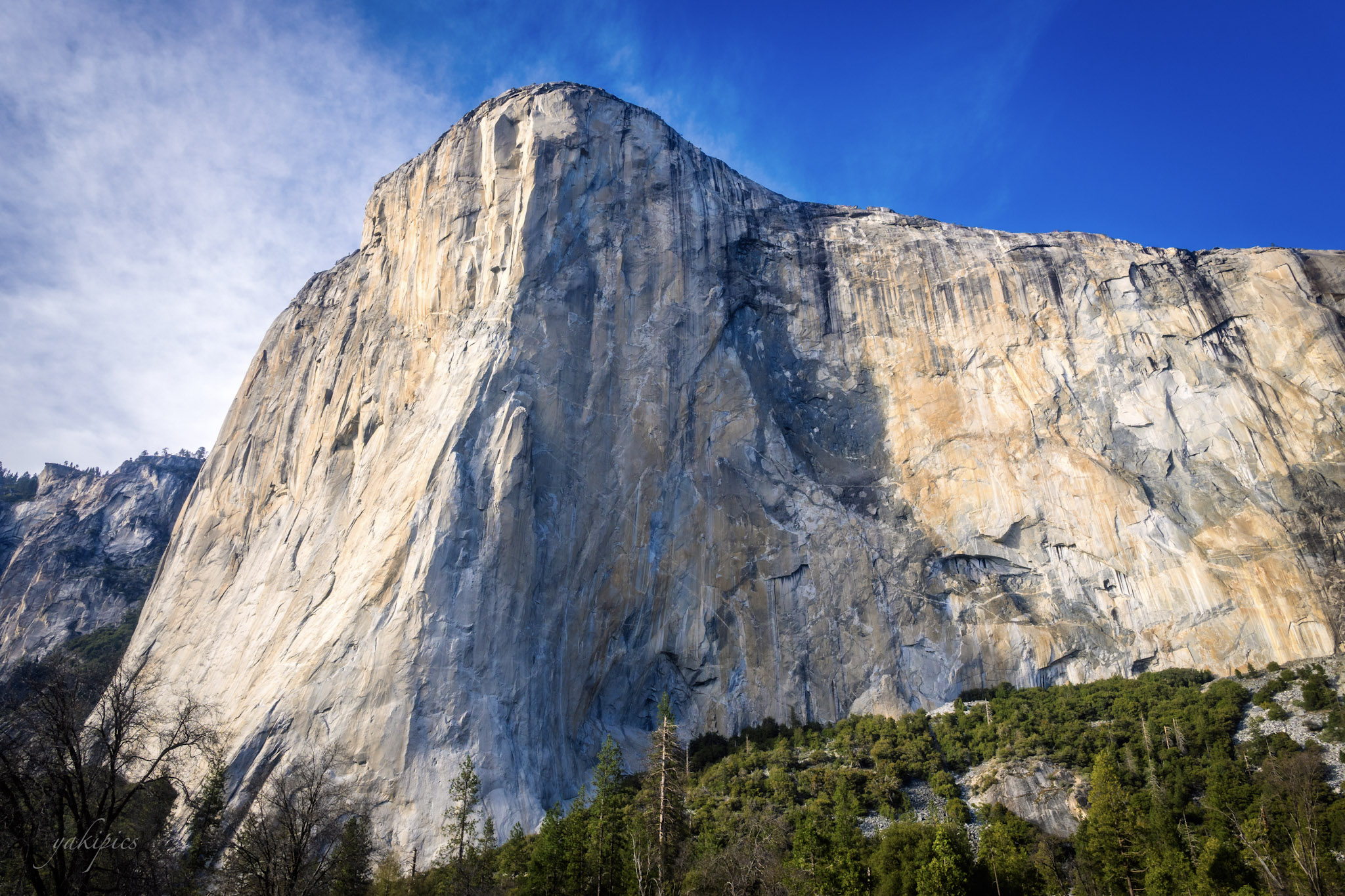 El Capitan, Yosemite National Park, March 2026. Photo Credit: Yakov Barton
The art of being in nature is a shared human experience — a connection point between ourselves and the energetic life force of water and sun and soil and wind, and other aspects still unknown to us.
Stepping into a park is an invitation to enter a journey of the unknown. It is waiting, patiently, for you to come around. And you will.
The beating of hearts collide into one in this place of the unknown.
It breathes.
It drinks.
It shines.
It is powerful.
The embrace will always be there. Mountains stand tall, and rivers flow from and through them, moving toward the great life force of the Pacific.
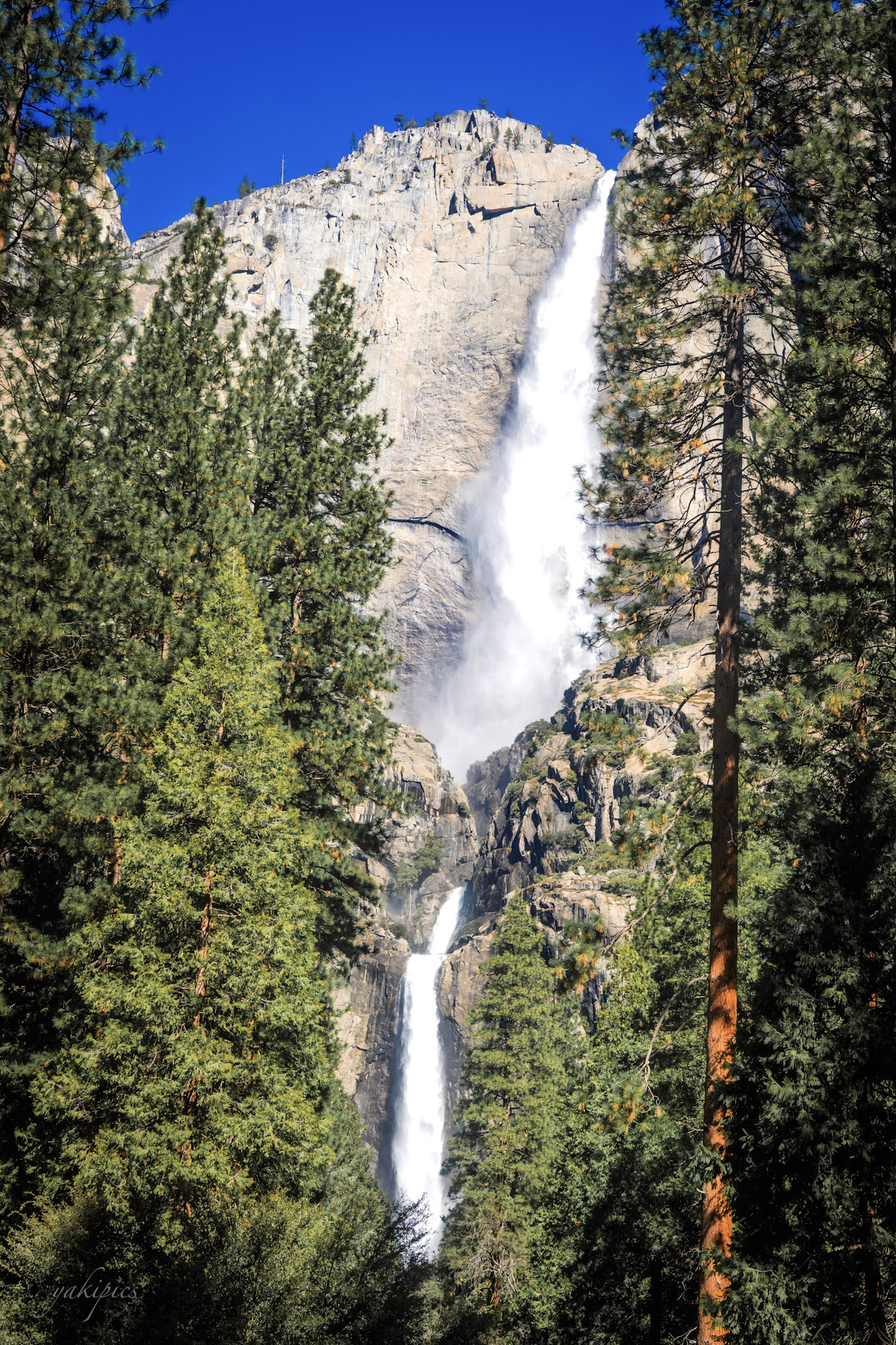
Yosemite Falls, Yosemite National Park, March 2026. Photo Credit: Yakov Barton
Light travels through unimaginable distances, filtered through trillions of particles, to arrive in this exact moment beneath a canopy of leaves.
Returning from Yosemite is a strange feeling — hope and power and awe and connection all braided together. The national park has seen ancient glaciers carve its granite walls and waterfalls plunge from impossible heights. It stretches the imagination of what the Earth is capable of creating.
After standing beneath those cliffs, the sight of a city skyline feels almost… quaint. Our tallest buildings seem modest beside a waterfall that has been carving its path for millennia.
It is a strange transition, moving from breathtaking beauty beyond words back into the familiar rhythms of the southern Willamette Valley.
And yet.
The beauty that exists within our own regional parks is profound. It offers inspiration, connection to community, and a space to exist on a different plane from time-bound society. Parks are a defining value of Eugene — part of our identity as a community and a shared inheritance across Lane County, Oregon, and the Pacific Northwest.
It has long been known that urban parks add tremendous value to our lives.
Economists have even tried to measure that value. Dr. Christian Krekel at the London School of Economics argues that wellbeing data can be used to estimate the monetary value parks add to people’s lives — about €119, or roughly $137 per resident each year in increased life satisfaction.
Apply that simple math to Eugene’s population of roughly 179,000 residents, and the value comes to more than $24.5 million annually.
By comparison, the City of Eugene Parks and Open Space operating budget was about $19.5 million in fiscal year 2024.
Simply put, the parks return more value than they cost.
And that’s only the beginning of the story.
Eugene’s parks, natural areas, and urban forest quietly generate tens of millions of dollars in benefits every year. A city economic valuation estimated that Eugene’s green spaces produce about $42.4 million annually in ecosystem and recreation value, including $21 million in recreation benefits, $13.5 million in increased nearby property values, $5.4 million in natural stormwater filtration, and $1.3 million in avoided flood damage.
Riverfront parks and trails like the Ruth Bascom Riverbank Path weave nature directly into daily life — drawing walkers, runners, families, and visitors who inevitably spill into nearby cafés, breweries, and small businesses. And beyond Eugene, the outdoor recreation economy in Oregon generates more than $8.4 billion annually and supports nearly 73,000 jobs, showing the broader economic current that parks and rivers help power. Thank you fellow EPF board member Kearstin Krehbiel for highlighting these numbers in the River Opportunity.
But numbers, useful as they are, only hint at the deeper truth.
A park is where a child learns how rivers move.
Where a tired worker sits beneath a maple tree and remembers how to breathe.
Where friends share laughter across a picnic table.
Where someone runs farther than they thought they could.
Where someone else slows down enough to notice the way sunlight dances on water.
The value of a park cannot be fully measured because it exists in moments.
A heron lifting from the riverbank.
A dog sprinting through wet grass.
A family gathering beneath an oak tree that has quietly watched over generations.
These are not things we usually write into economic reports. Yet they shape the kind of community we become. Uniting business and government, neighbors, students, children.
Parks create the small daily encounters that build belonging. They are where strangers briefly share the same trail, the same breeze, the same moment of sunlight breaking through clouds.
And over time, those moments accumulate.
A city with parks is a city that remembers something essential about being human.
That we belong not only to streets and buildings and schedules, but to rivers and soil and sky.
That even in the center of town there can be a place where the rhythms of the natural world continue uninterrupted.
Where water still moves toward the sea.
Where trees reach toward the light.
Where life continues its quiet, patient unfolding.
The park does not demand much from us.
Only that we arrive.
And when we do, it offers a simple exchange: step inside, slow down, look around.
Listen closely enough, and you may hear it.
A letter written not in ink but in wind and leaves and moving water.
A reminder that the value of a park is not only in dollars returned, but in something deeper — the way it returns us to ourselves.
Ness Zolan
Senior Director of Economic Development
Onward Eugene
EPF Board Member